Maintenance Tips
Essential Plumbing Maintenance Tips for Homeowners
Simple maintenance routines can help prevent leaks, clogs, and expensive plumbing emergencies.
Introduction
Regular plumbing maintenance is one of the best ways to prevent expensive repairs, water damage, and unexpected plumbing emergencies. Many homeowners only contact a plumber when serious problems occur, but routine maintenance can help identify small issues before they become major failures.
Simple habits such as checking for leaks, cleaning drains, and inspecting plumbing fixtures can improve system performance and extend the lifespan of your pipes, drains, and appliances. Preventative maintenance not only protects your home but also helps reduce long-term plumbing costs and improves water efficiency.
Understanding the basics of plumbing maintenance can help homeowners avoid common issues like clogged drains, pipe leaks, low water pressure, and water heater breakdowns.
Check for Leaks Regularly
Small plumbing leaks often go unnoticed until they cause visible water damage. Regularly inspecting faucets, pipes, toilets, and under-sink plumbing can help identify leaks early.
Common signs of leaks include:
Water stains on walls or ceilings
Damp cabinets or flooring
Dripping faucets
Mold or mildew odors
Unexpected increases in water bills
Even minor leaks can waste significant amounts of water over time and increase the risk of structural damage if left untreated.
Keep Drains Clean
Drain clogs are one of the most common plumbing problems homeowners face. Hair, grease, soap residue, and food particles gradually build up inside pipes and restrict water flow.
To help prevent drain blockages:
Avoid pouring grease down drains
Use drain strainers in sinks and showers
Flush drains with hot water regularly
Avoid flushing wipes or paper towels
Professional drain cleaning services can also help remove stubborn buildup and improve drainage performance throughout your plumbing system.
Inspect Water Pressure
Low or inconsistent water pressure may indicate hidden leaks, pipe corrosion, or plumbing blockages. Excessively high water pressure can also damage pipes, fixtures, and appliances over time.
Signs of water pressure problems include:
Weak water flow
Noisy pipes
Sudden pressure changes
Splashing faucets
Regular plumbing inspections can help identify pressure-related issues before they lead to serious damage.

Maintain Your Water Heater
Water heaters require regular maintenance to operate efficiently and safely. Sediment buildup inside the tank can reduce heating performance, increase energy costs, and shorten the lifespan of the system.
Important water heater maintenance tasks include:
Flushing the tank annually
Checking pressure relief valves
Inspecting for leaks or corrosion
Monitoring water temperature consistency
Routine servicing helps improve energy efficiency and reduces the risk of unexpected breakdowns.
Protect Pipes During Cold Weather
Cold temperatures can cause exposed pipes to freeze and burst, leading to severe water damage and expensive repairs.
To protect your plumbing system during winter:
Insulate exposed pipes
Keep indoor temperatures stable
Disconnect outdoor hoses
Allow faucets to drip during freezing weather
Preventative winter maintenance helps reduce the risk of frozen plumbing emergencies.
Avoid Chemical Drain Cleaners
Many store-bought chemical drain cleaners contain harsh ingredients that can damage pipes over time. While they may provide temporary relief, repeated use often weakens plumbing materials and increases the risk of future leaks.
For stubborn clogs, professional drain cleaning is a safer and more effective long-term solution.
Schedule Professional Plumbing Inspections
Routine inspections by licensed plumbers help identify hidden issues before they become expensive problems. Professional maintenance services can detect leaks, pipe corrosion, sewer line issues, and water pressure problems early.
Annual plumbing inspections are especially important for older homes or properties with aging plumbing systems.
Final Thoughts
Preventative plumbing maintenance helps homeowners avoid unexpected repairs, improve plumbing efficiency, and protect their property from costly water damage. Simple routines such as checking for leaks, cleaning drains, maintaining water heaters, and scheduling professional inspections can significantly extend the lifespan of your plumbing system.
Taking proactive steps today can help prevent plumbing emergencies and keep your home’s plumbing running safely and efficiently throughout the year.
Ready to Book Plumbing Service?
Get reliable solutions, fast response times, and expert workmanship for residential and commercial plumbing needs — handled by experienced professionals you can trust.
Keep Reading
Related Plumbing Insights & Tips
Discover more expert plumbing tips, maintenance advice, and practical solutions to help protect your home and avoid costly repairs.
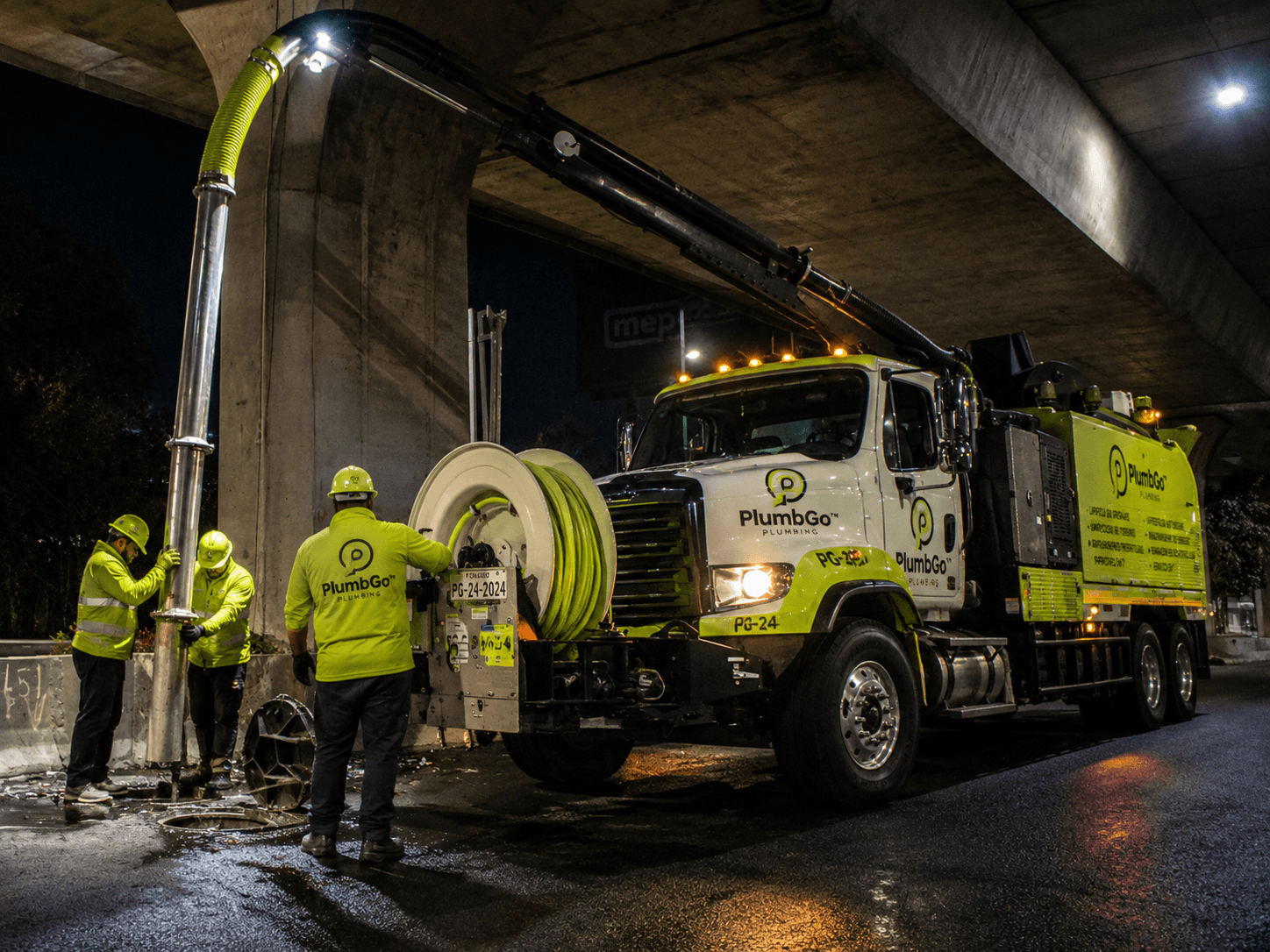
Drain Cleaning
5 Signs Your Drain Needs Professional Cleaning
Slow drainage, odors, and recurring clogs may indicate a deeper plumbing issue that requires professional attention.
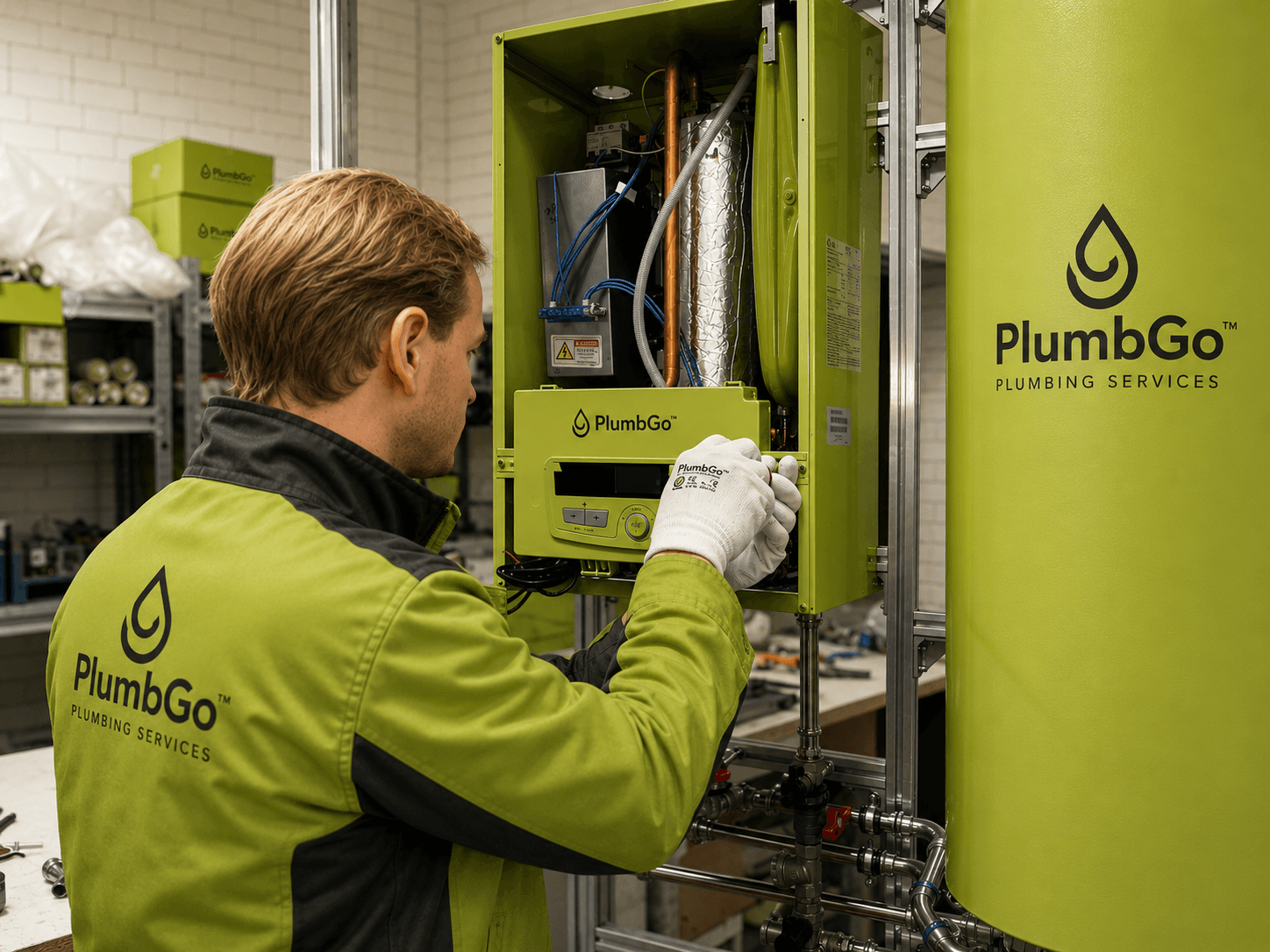
Water Heaters
Why Your Water Heater Suddenly Stops Working
Discover the most common reasons water heaters fail and what homeowners can do before calling a technician.
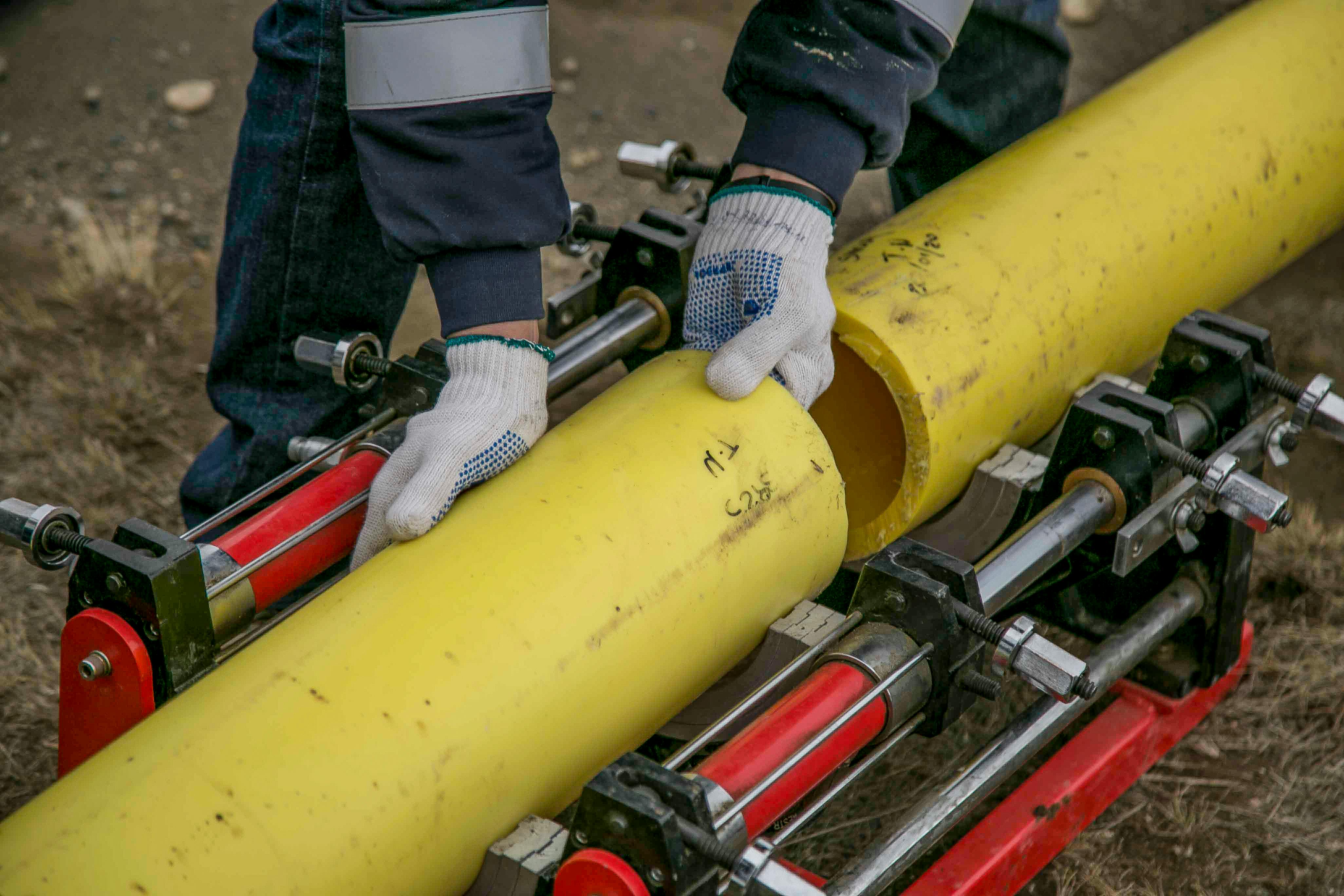
Emergency Plumbing
What To Do During a Plumbing Emergency at Home
Learn the first steps to take during burst pipes, major leaks, or overflowing drains before help arrives.