Emergency Plumbing
What To Do During a Plumbing Emergency at Home
Learn the first steps to take during burst pipes, major leaks, or overflowing drains before help arrives.
Introduction
Plumbing emergencies can happen without warning and quickly cause serious water damage to your home or business. Burst pipes, overflowing toilets, major leaks, and backed-up drains can spread water rapidly, damage flooring and walls, and interrupt your daily routine. Knowing what to do before a professional plumber arrives can help minimize damage, improve safety, and reduce repair costs.
Taking quick action during a plumbing emergency is extremely important. Staying calm and following a few simple steps can help protect your property while waiting for emergency plumbing support.
Shut Off the Main Water Supply
The first and most important step during a plumbing emergency is shutting off the main water supply. This helps stop water from spreading and prevents additional flooding or structural damage.
Every homeowner should know where the main shut-off valve is located before an emergency happens. In most homes, it is usually found near the water meter, basement, garage, or outside wall.
If the problem only affects one fixture, such as a toilet or sink, you may be able to shut off the local valve instead of the entire property water supply.
Turn Off Water Heaters and Electrical Systems
If water is leaking near electrical outlets, appliances, or wiring, avoid touching anything electrical until it is safe. Water and electricity together can create dangerous situations.
For major leaks or flooding:
Turn off the water heater
Shut down nearby electrical systems if safe
Avoid standing water near electrical connections
Safety should always come first during plumbing emergencies.


Try to Control the Water Damage
While waiting for a plumber, try to reduce water damage as much as possible.
You can:
Use towels or buckets to collect leaking water
Move furniture or valuables away from affected areas
Open windows or increase ventilation to reduce moisture
Avoid using affected plumbing fixtures
Quick action can help prevent mold growth, floor damage, and costly repairs later.
Avoid Temporary DIY Repairs
Many homeowners attempt temporary repairs using tape, chemical cleaners, or store-bought sealants. While these may seem helpful, they often create bigger plumbing issues later.
Chemical drain cleaners can damage pipes, and improper repairs may worsen leaks or increase pressure problems within the plumbing system.
For serious plumbing emergencies, it is always safer to contact licensed professionals with proper tools and experience.
Common Plumbing Emergencies
Emergency plumbers commonly respond to:
Burst pipes
Overflowing toilets
Sewer backups
Major water leaks
Water heater failures
Blocked drains
Frozen or cracked pipes
Sudden water pressure loss
Recognizing these issues early helps reduce damage and speeds up repairs.
When To Call an Emergency Plumber
You should contact an emergency plumber immediately if:
Water damage is spreading quickly
Pipes burst or leak heavily
Drains are backing up repeatedly
Sewage odors appear indoors
Water pressure suddenly drops
There is no access to clean water
Fast professional service helps restore safety and prevents long-term plumbing damage.
Final Thoughts
Plumbing emergencies can be stressful, but taking the right first steps can make a major difference. Shutting off the water supply, protecting your home, and contacting a trusted emergency plumber quickly are the best ways to minimize damage and restore your plumbing system safely.
Ready to Book Plumbing Service?
Get reliable solutions, fast response times, and expert workmanship for residential and commercial plumbing needs — handled by experienced professionals you can trust.
Keep Reading
Related Plumbing Insights & Tips
Discover more expert plumbing tips, maintenance advice, and practical solutions to help protect your home and avoid costly repairs.
Drain Cleaning
5 Signs Your Drain Needs Professional Cleaning
Slow drainage, odors, and recurring clogs may indicate a deeper plumbing issue that requires professional attention.
Water Heaters
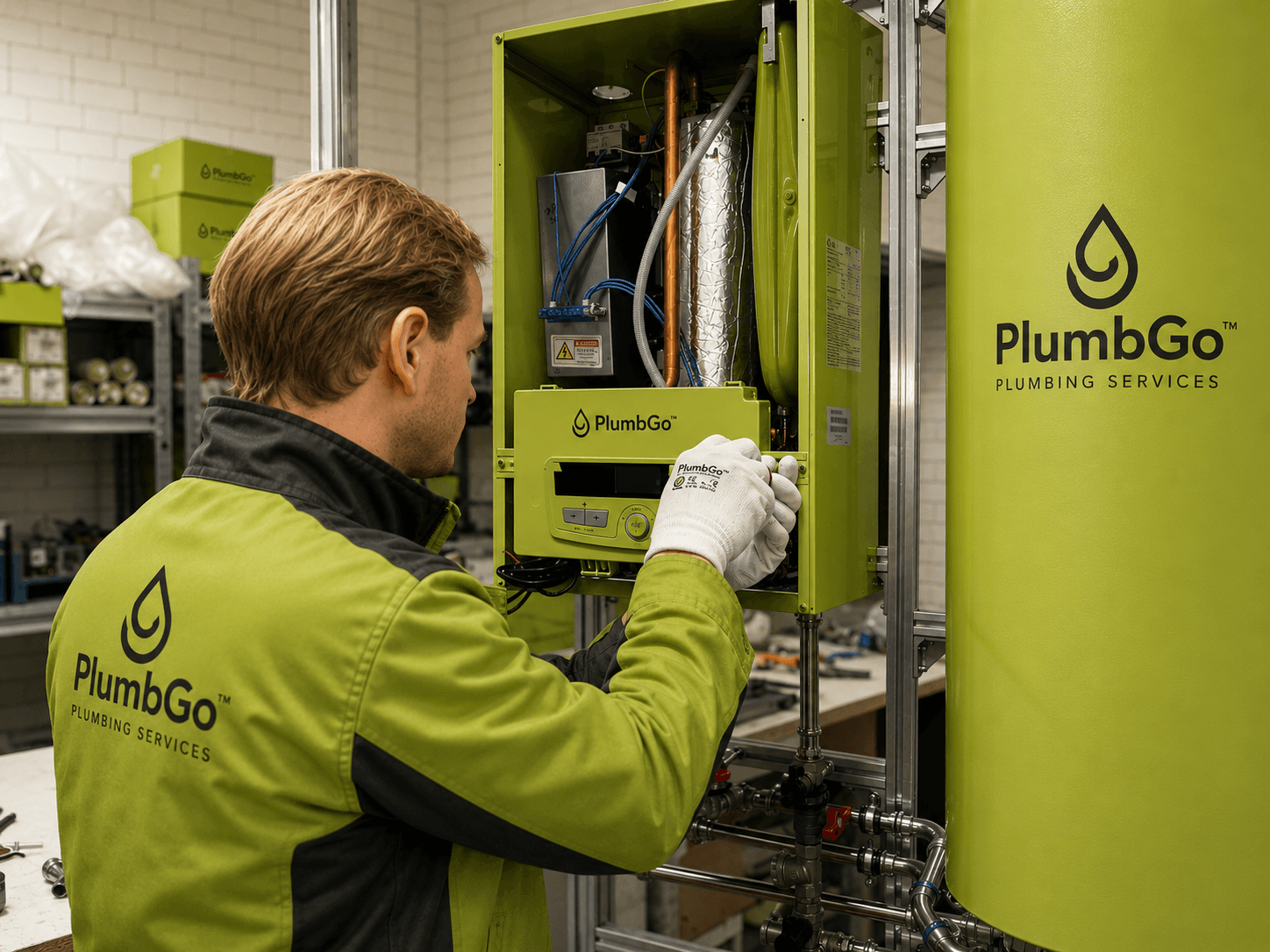
Why Your Water Heater Suddenly Stops Working
Discover the most common reasons water heaters fail and what homeowners can do before calling a technician.
Maintenance Tips
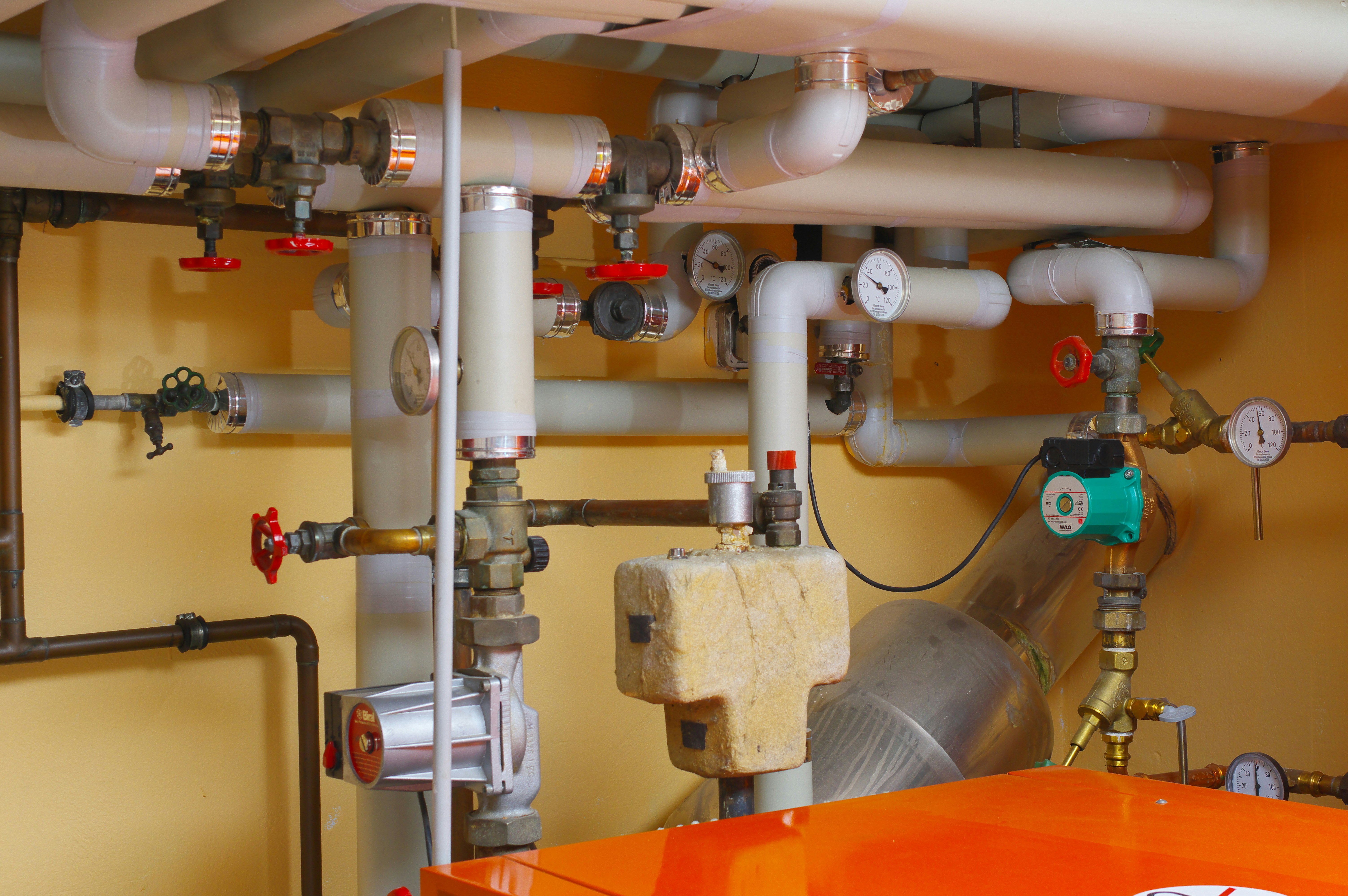
When Should You Replace Old Plumbing Pipes?
Old or damaged pipes can reduce water pressure and increase leak risks throughout your property.