Emergency Plumbing
Top Bathroom Plumbing Issues and Quick Solutions
From leaking faucets to clogged toilets, discover the most common bathroom plumbing problems and fixes.
Introduction
Bathroom plumbing problems are among the most common issues homeowners experience. From leaking faucets and clogged toilets to slow drains and low water pressure, small bathroom plumbing issues can quickly become expensive repairs if they are ignored for too long.
Because bathrooms are used daily, plumbing fixtures naturally experience wear and tear over time. Understanding the most common bathroom plumbing problems and knowing when to take action can help homeowners prevent water damage, improve plumbing efficiency, and reduce repair costs.
Many bathroom plumbing issues begin with small warning signs. Addressing these problems early helps keep your plumbing system functioning properly while avoiding major disruptions.
Leaking Faucets
A dripping faucet may seem minor, but it can waste large amounts of water over time and increase utility bills. Leaks are often caused by worn washers, damaged seals, loose fittings, or internal fixture corrosion.
Common signs include:
Constant dripping sounds
Water pooling around fixtures
Rust or mineral buildup
Reduced water pressure
Fixing leaks early helps prevent water waste and protects surrounding surfaces from moisture damage.
Clogged Toilets
Toilet clogs are one of the most frequent bathroom plumbing problems. Flushing excessive toilet paper, wipes, hygiene products, or foreign objects can block the drain and disrupt proper flushing.
Signs of toilet blockages include:
Slow flushing
Rising water levels
Overflowing toilets
Gurgling sounds
Minor clogs may be resolved with a plunger, but recurring blockages often indicate deeper drain or sewer line problems that require professional plumbing service.
Slow or Blocked Drains
Bathroom sinks, bathtubs, and shower drains commonly become clogged due to hair, soap residue, toothpaste, and debris buildup inside pipes.
Slow drains can eventually lead to standing water, unpleasant odors, and complete blockages if left untreated.
To help prevent drain problems:
Use drain strainers
Avoid flushing debris down drains
Clean drains regularly
Schedule professional drain cleaning when necessary
Professional drain maintenance helps restore water flow safely without damaging pipes.
Low Water Pressure
Weak water flow from bathroom faucets or showerheads can make daily tasks frustrating and uncomfortable. Low water pressure is often caused by mineral buildup, hidden leaks, pipe corrosion, or fixture problems.
Common warning signs include:
Weak shower pressure
Uneven water flow
Sputtering faucets
Sudden pressure changes
A professional plumbing inspection can help identify the exact cause and restore proper water pressure efficiently.
Running Toilets
A constantly running toilet wastes water continuously and can significantly increase monthly utility costs. This issue is usually caused by faulty flappers, fill valves, float problems, or internal tank component wear.
Running toilets should be repaired quickly to avoid unnecessary water usage and prevent further plumbing complications.
Mold and Moisture Problems
Bathroom plumbing leaks often create excess moisture that leads to mold growth, wall damage, and unpleasant odors. Hidden leaks behind walls or under flooring can remain unnoticed for long periods while causing structural damage.
Signs of moisture problems include:
Peeling paint
Soft drywall
Musty smells
Damp flooring
Mold spots near plumbing fixtures
Early leak detection and proper ventilation help reduce moisture-related plumbing damage.
Preventative Bathroom Plumbing Maintenance
Regular maintenance helps reduce the risk of expensive bathroom plumbing repairs.
Homeowners should:
Check for leaks regularly
Avoid flushing non-degradable items
Clean drains routinely
Inspect faucet connections
Monitor water pressure
Schedule professional plumbing inspections
Simple preventative maintenance improves plumbing performance and extends fixture lifespan.
When To Call a Professional Plumber
You should contact a licensed plumber if you experience:
Recurring toilet clogs
Persistent drain backups
Water leaks behind walls
Low water pressure
Overflowing fixtures
Mold or moisture damage
Professional plumbing repairs help prevent long-term damage and restore bathroom plumbing safely and efficiently.
Final Thoughts
Bathroom plumbing issues can quickly disrupt your daily routine and lead to costly water damage if they are ignored. Understanding common plumbing problems and taking early action helps homeowners maintain efficient plumbing systems and avoid major repairs.
Routine maintenance, proper fixture care, and professional inspections are the best ways to keep your bathroom plumbing functioning reliably for years to come.
Ready to Book Plumbing Service?
Get reliable solutions, fast response times, and expert workmanship for residential and commercial plumbing needs — handled by experienced professionals you can trust.
Keep Reading
Related Plumbing Insights & Tips
Discover more expert plumbing tips, maintenance advice, and practical solutions to help protect your home and avoid costly repairs.
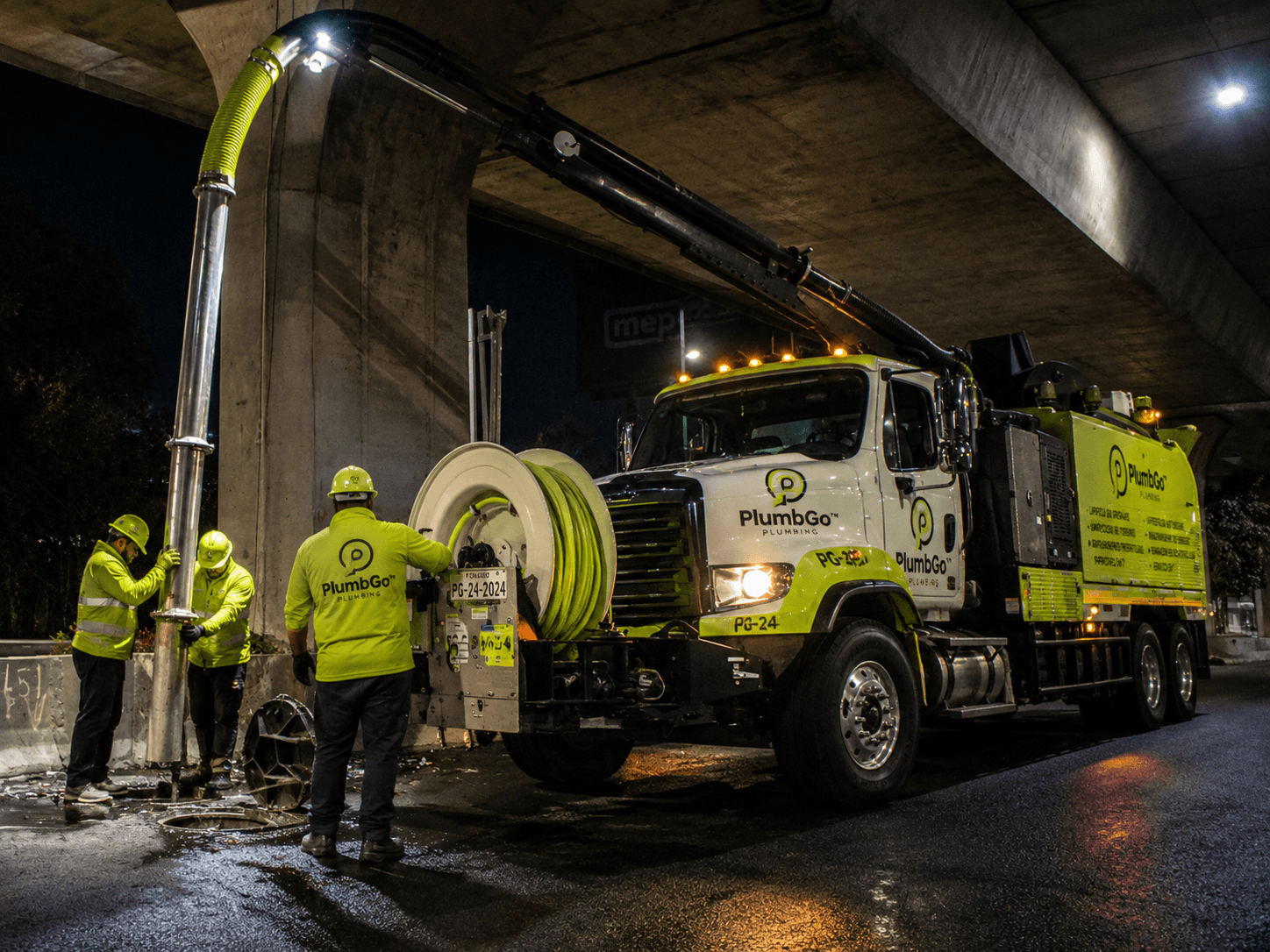
Drain Cleaning
5 Signs Your Drain Needs Professional Cleaning
Slow drainage, odors, and recurring clogs may indicate a deeper plumbing issue that requires professional attention.
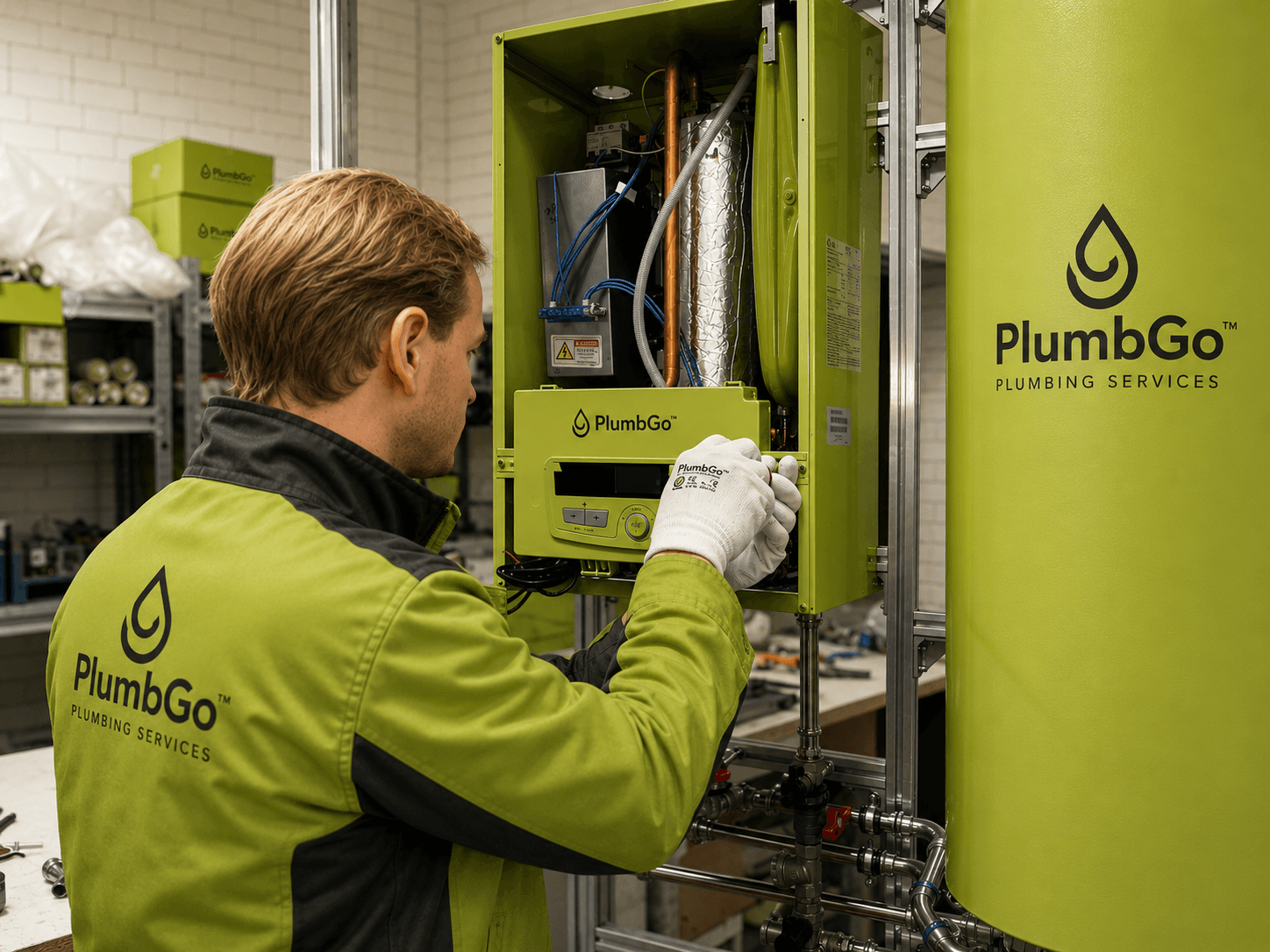
Water Heaters
Why Your Water Heater Suddenly Stops Working
Discover the most common reasons water heaters fail and what homeowners can do before calling a technician.
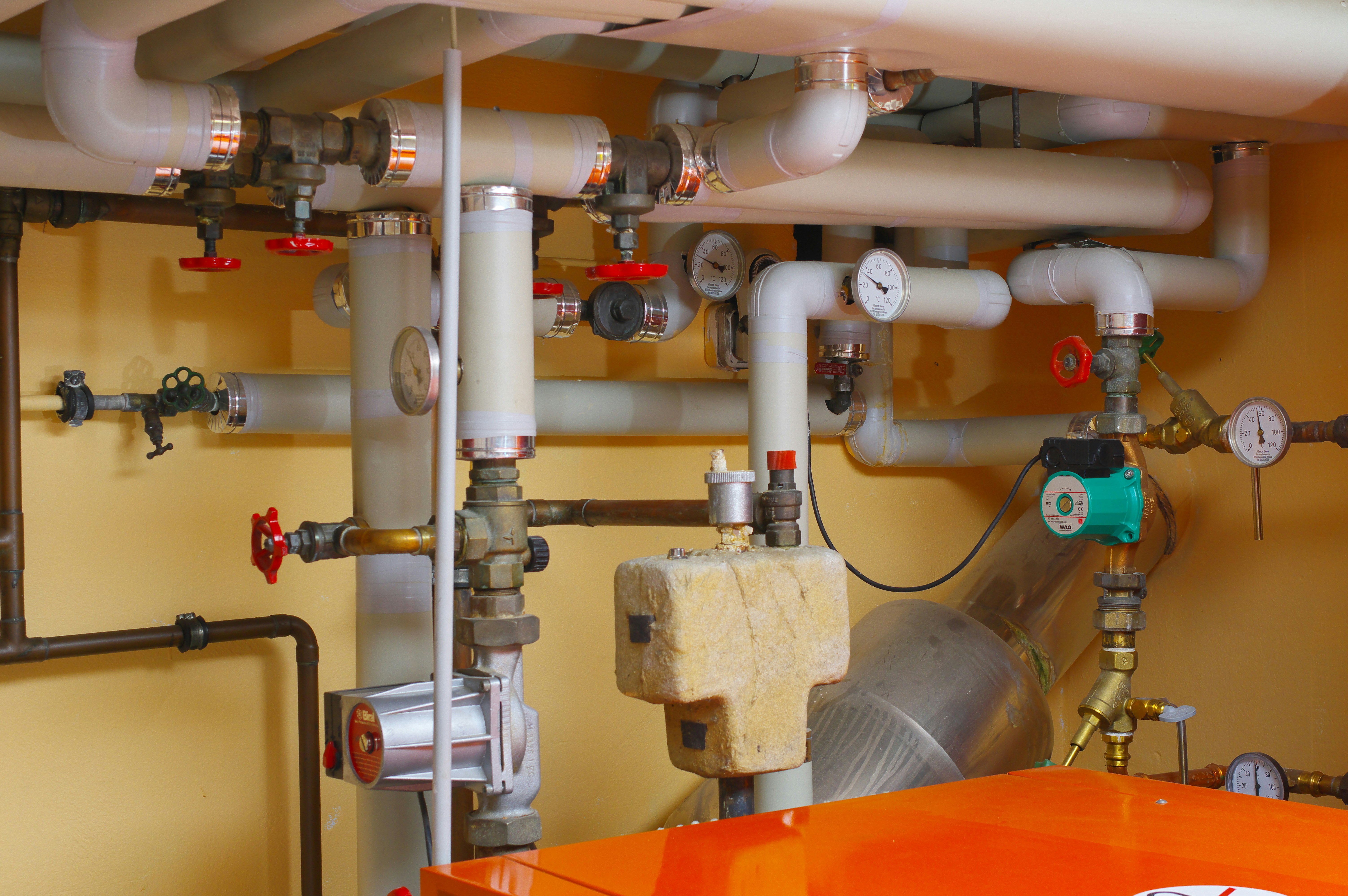
Maintenance Tips
When Should You Replace Old Plumbing Pipes?
Old or damaged pipes can reduce water pressure and increase leak risks throughout your property.