Sewer Repair
How To Prevent Kitchen Sink Drain Blockages
Grease buildup and food waste are major causes of clogged kitchen drains and slow water flow.

Introduction
Kitchen sink drain blockages are one of the most common plumbing problems homeowners face. Slow drainage, unpleasant odors, standing water, and recurring clogs can quickly disrupt daily routines and lead to expensive plumbing repairs if left untreated.
Most kitchen drain problems develop gradually due to grease buildup, food waste, soap residue, and debris collecting inside pipes over time. Understanding what causes kitchen drain blockages and following simple preventative maintenance habits can help keep your plumbing system running efficiently and reduce the risk of major plumbing issues.
Preventing drain clogs early is far easier and more affordable than dealing with severe blockages or emergency plumbing repairs later.
Avoid Pouring Grease Down the Drain
One of the biggest causes of kitchen sink clogs is grease and cooking oil buildup. While grease may appear liquid when hot, it hardens as it cools inside pipes and gradually restricts water flow.
Over time, grease combines with food particles and debris to create stubborn blockages deep within the plumbing system.
Instead of pouring grease into the sink:
Let grease cool and solidify
Dispose of it in the trash
Wipe greasy pans with paper towels before washing
Proper grease disposal significantly reduces the risk of kitchen drain blockages.
Be Careful With Food Waste
Large food particles commonly cause kitchen sink clogs, especially when combined with grease buildup. Even homes with garbage disposals should avoid sending certain materials down drains.
Food items that should never enter kitchen drains include:
Coffee grounds
Eggshells
Pasta and rice
Fibrous vegetables
Fruit peels
Bones and hard scraps
Using a sink strainer helps catch food debris before it enters the plumbing system.
Flush Drains With Hot Water
Regularly flushing kitchen drains with hot water helps dissolve grease residue and improve water flow inside pipes.
A simple maintenance routine includes:
Running hot water after dishwashing
Flushing drains weekly
Using mild soap and warm water to reduce buildup
This simple habit can help prevent minor blockages from becoming major plumbing problems.


Clean Garbage Disposals Properly
Garbage disposals require regular maintenance to function efficiently and prevent unpleasant odors or clogs.
To maintain your disposal:
Run cold water while using it
Avoid overloading food waste
Clean blades regularly
Avoid hard or fibrous materials
Unusual noises, slow drainage, or foul odors may indicate the disposal requires professional service.
Watch for Early Warning Signs
Kitchen drain problems usually begin with small warning signs before complete blockages occur.
Common symptoms include:
Slow drainage
Gurgling sounds
Standing water
Bad odors from the sink
Recurring clogs
Addressing these issues early helps prevent expensive plumbing repairs and severe pipe blockages.
Avoid Chemical Drain Cleaners
Many homeowners use store-bought chemical cleaners to clear kitchen drains, but repeated use can damage pipes over time.
Harsh chemicals may:
Corrode plumbing materials
Weaken pipe joints
Damage older plumbing systems
Create larger plumbing problems later
Professional drain cleaning services provide safer and more effective long-term solutions.
Schedule Professional Drain Cleaning
Routine professional drain cleaning helps remove stubborn buildup, improve water flow, and reduce the risk of severe plumbing blockages.
Professional plumbers use specialized equipment to clean drains safely without damaging your plumbing system. Preventative maintenance can also help identify hidden issues before they turn into expensive repairs.
Annual drain inspections are especially helpful for older homes or properties with recurring plumbing problems.
When To Call a Professional Plumber
You should contact a licensed plumber if you experience:
Recurring kitchen drain clogs
Water backing up into sinks
Strong drain odors
Multiple slow drains
Standing water that will not clear
Fast professional service can restore proper drainage and help prevent major plumbing damage.
Final Thoughts
Kitchen sink drain blockages are often caused by everyday habits such as pouring grease down drains or allowing food debris to build up inside pipes. Simple preventative maintenance routines can significantly reduce the risk of plumbing emergencies and expensive repairs.
By practicing proper drain care, monitoring early warning signs, and scheduling professional maintenance when needed, homeowners can keep kitchen plumbing systems functioning safely and efficiently for years to come.
Ready to Book Plumbing Service?
Get reliable solutions, fast response times, and expert workmanship for residential and commercial plumbing needs — handled by experienced professionals you can trust.
Keep Reading
Related Plumbing Insights & Tips
Discover more expert plumbing tips, maintenance advice, and practical solutions to help protect your home and avoid costly repairs.

Drain Cleaning
5 Signs Your Drain Needs Professional Cleaning
Slow drainage, odors, and recurring clogs may indicate a deeper plumbing issue that requires professional attention.
Water Heaters
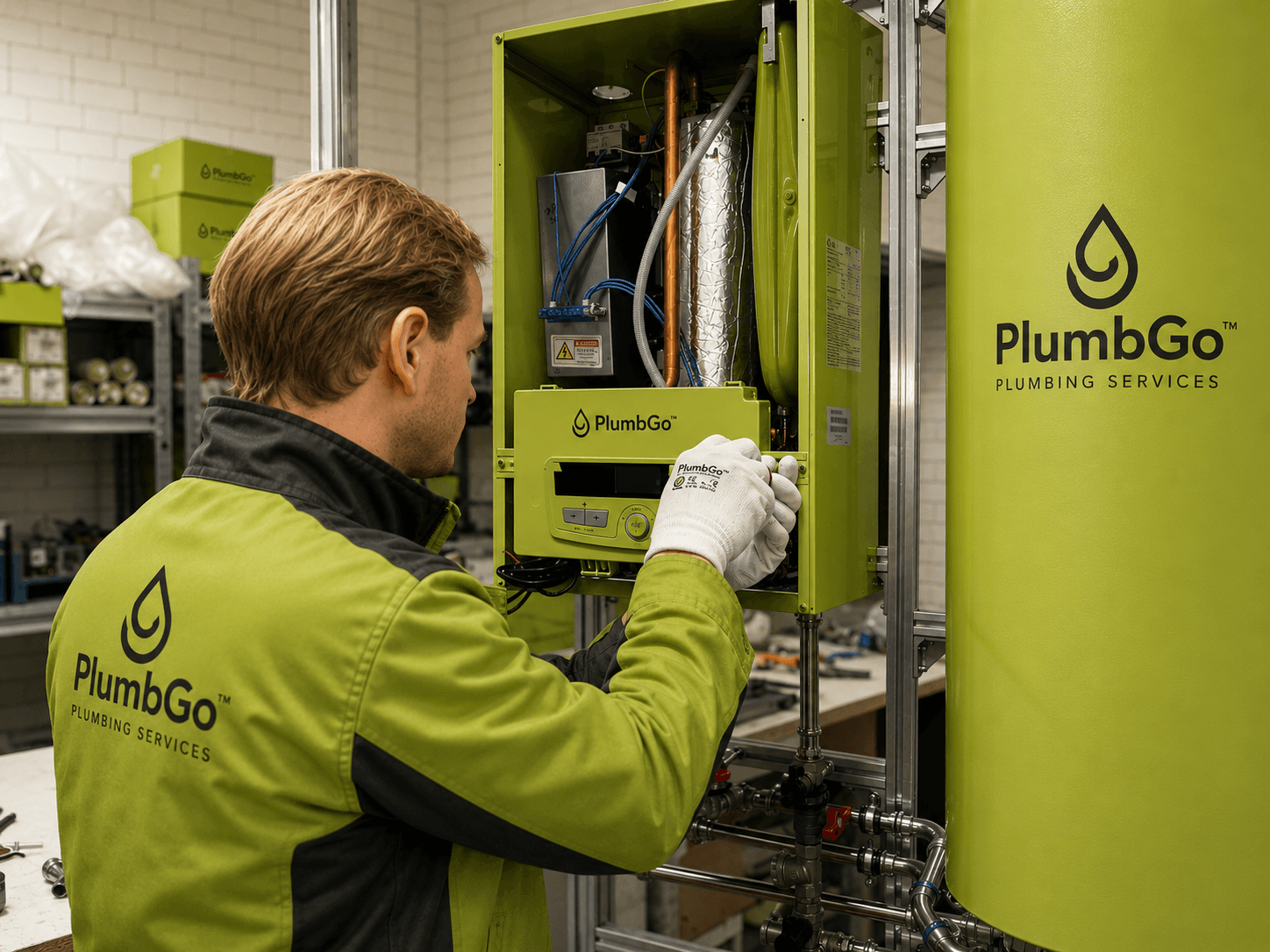
Why Your Water Heater Suddenly Stops Working
Discover the most common reasons water heaters fail and what homeowners can do before calling a technician.
Maintenance Tips
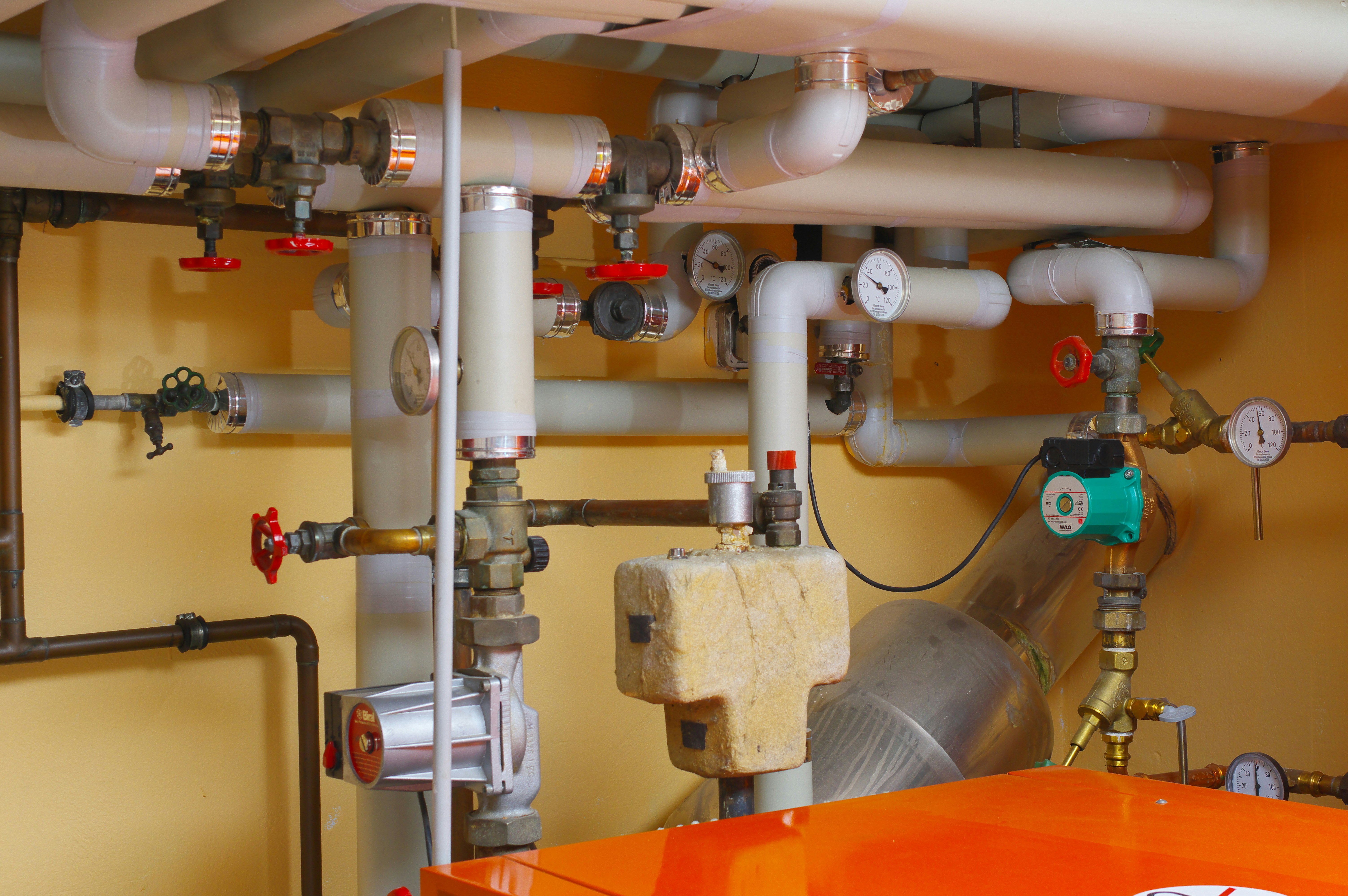
When Should You Replace Old Plumbing Pipes?
Old or damaged pipes can reduce water pressure and increase leak risks throughout your property.