Sewer Repair
Common Sewer Line Problems and How To Prevent Them
Understand the warning signs of sewer line damage and how regular maintenance helps avoid costly repairs.
Introduction
Sewer line problems can quickly become expensive plumbing emergencies if they are ignored for too long. Damaged or blocked sewer lines can affect your entire plumbing system, leading to slow drains, foul odors, water backups, and even structural damage to your property. Understanding the most common sewer line issues and learning how to prevent them can help homeowners avoid major plumbing repairs and unexpected disruptions.
Many sewer line problems develop gradually over time. Small warning signs such as gurgling drains, unpleasant smells, or slow water flow often indicate deeper plumbing issues underground. Taking early action and scheduling professional inspections can help prevent serious damage and reduce repair costs.
Tree Root Intrusion
Tree root intrusion is one of the most common causes of sewer line damage. Tree roots naturally search for moisture and can enter small cracks or joints within underground pipes. Once inside, the roots continue growing and eventually block water flow completely.
Common signs of root intrusion include:
Frequent drain backups
Slow drainage throughout the property
Gurgling sounds from toilets or sinks
Bad odors coming from drains
Older sewer systems are especially vulnerable because aging pipes are more likely to crack underground.
To help prevent root damage:
Avoid planting large trees near sewer lines
Schedule regular sewer inspections
Repair small pipe cracks early
Use professional root removal services when necessary


Grease and Debris Buildup
Pouring grease, cooking oil, food waste, or non-flushable materials down drains is another major cause of sewer line blockages. Over time, these materials stick to the inside of pipes and create thick buildup that restricts water flow.
Common household items that should never go down drains include:
Cooking grease
Paper towels
Wet wipes
Hygiene products
Coffee grounds
Food scraps
Preventing buildup starts with proper waste disposal habits and routine drain maintenance.
Aging or Corroded Pipes
Older plumbing systems often contain pipes that weaken over time due to corrosion, shifting soil, or general wear and tear. Damaged sewer pipes may crack, collapse, or leak underground, causing serious plumbing and foundation problems.
Warning signs of aging sewer lines include:
Discolored water
Frequent plumbing leaks
Soggy areas in the yard
Low water pressure
Recurring sewer odors
Professional plumbing inspections can identify aging pipes before they fail completely.
Sewer Line Blockages
Severe sewer blockages can affect multiple drains throughout your property at the same time. If sinks, showers, and toilets begin backing up together, the issue may be located within the main sewer line rather than an individual fixture.
Blocked sewer lines can result from:
Grease accumulation
Tree roots
Pipe collapse
Foreign objects
Heavy debris buildup
Routine sewer cleaning and preventative maintenance can help keep your plumbing system functioning properly.
Preventative Sewer Maintenance Tips
Preventative maintenance is the best way to reduce the risk of major sewer line repairs.
Homeowners should:
Schedule routine sewer inspections
Avoid flushing non-degradable items
Keep grease and oils out of drains
Monitor unusual plumbing behavior
Address slow drains immediately
Invest in professional drain cleaning services
Regular maintenance helps improve plumbing performance while extending the lifespan of your sewer system.
When To Call a Professional Plumber
You should contact a licensed plumbing professional immediately if you notice:
Multiple drain backups
Persistent sewer odors
Water pooling in the yard
Slow drainage throughout the property
Gurgling toilets or drains
Frequent plumbing clogs
Professional plumbers use advanced sewer cameras and inspection tools to diagnose problems accurately and recommend the best repair solutions.
Final Thoughts
Sewer line problems can cause major property damage and expensive plumbing repairs if they are left untreated. Understanding the warning signs and investing in preventative maintenance can help homeowners avoid serious plumbing emergencies and keep their systems running efficiently.
Ready to Book Plumbing Service?
Get reliable solutions, fast response times, and expert workmanship for residential and commercial plumbing needs — handled by experienced professionals you can trust.
Keep Reading
Related Plumbing Insights & Tips
Discover more expert plumbing tips, maintenance advice, and practical solutions to help protect your home and avoid costly repairs.
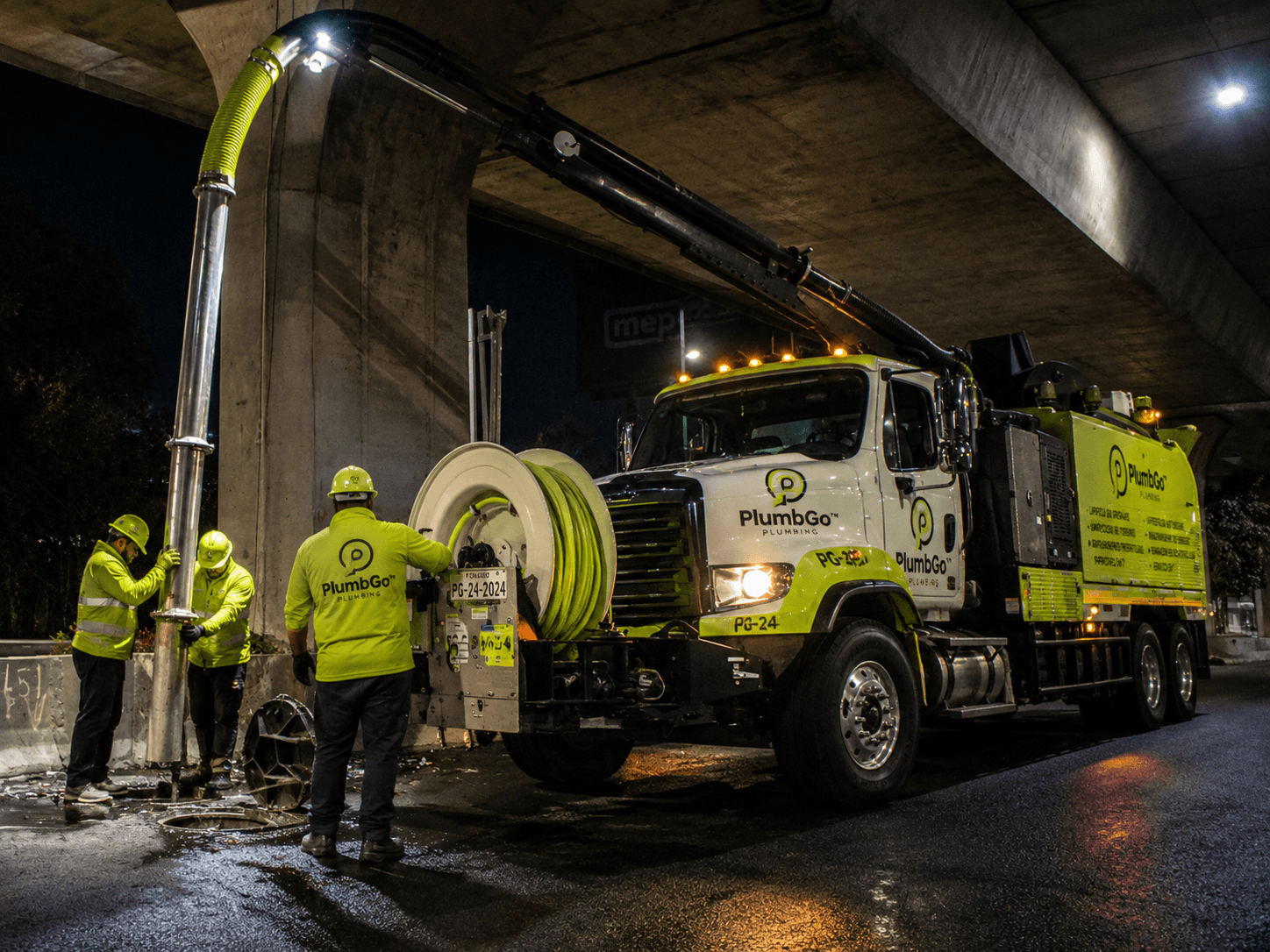
Drain Cleaning
5 Signs Your Drain Needs Professional Cleaning
Slow drainage, odors, and recurring clogs may indicate a deeper plumbing issue that requires professional attention.
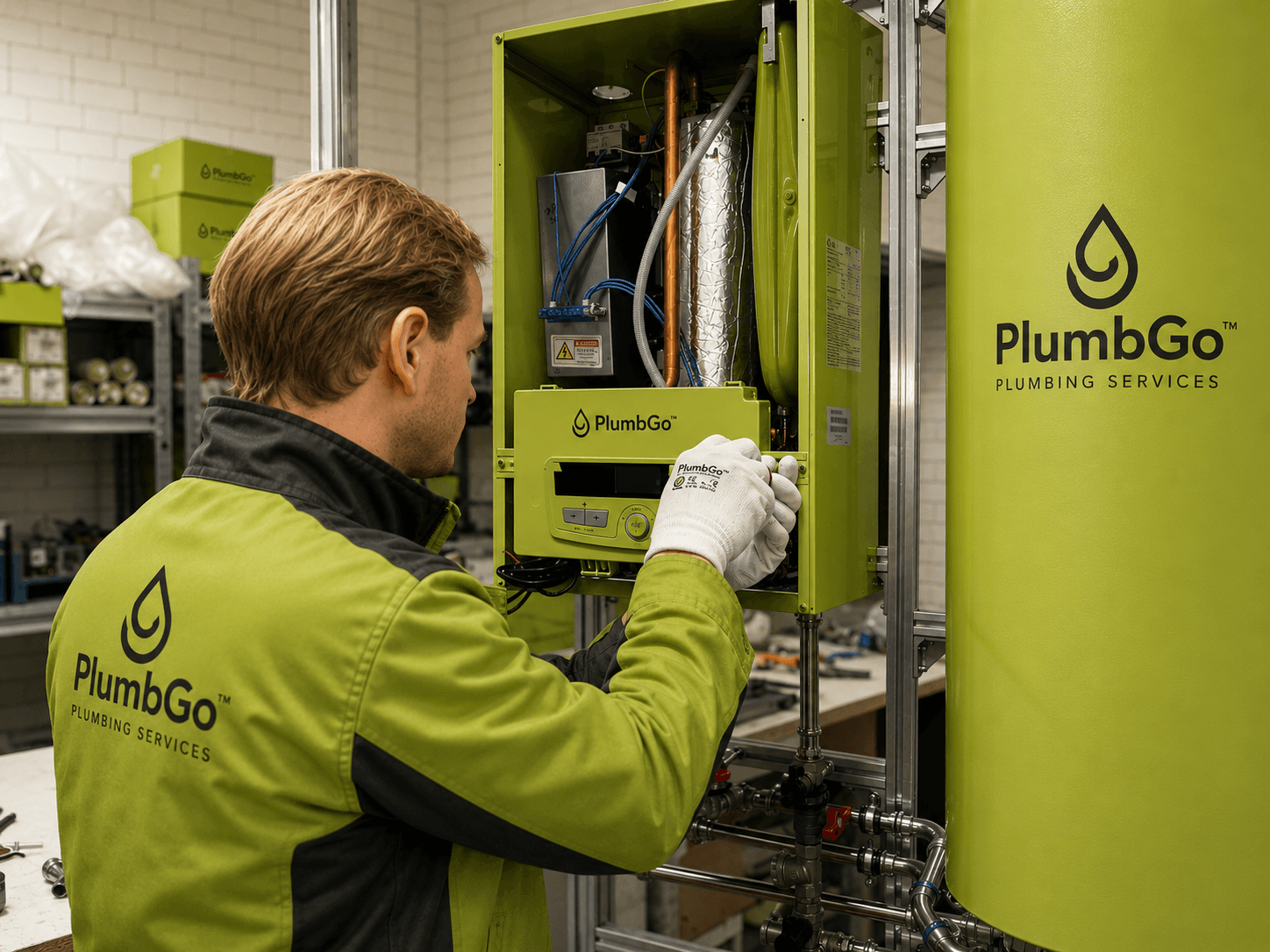
Water Heaters
Why Your Water Heater Suddenly Stops Working
Discover the most common reasons water heaters fail and what homeowners can do before calling a technician.
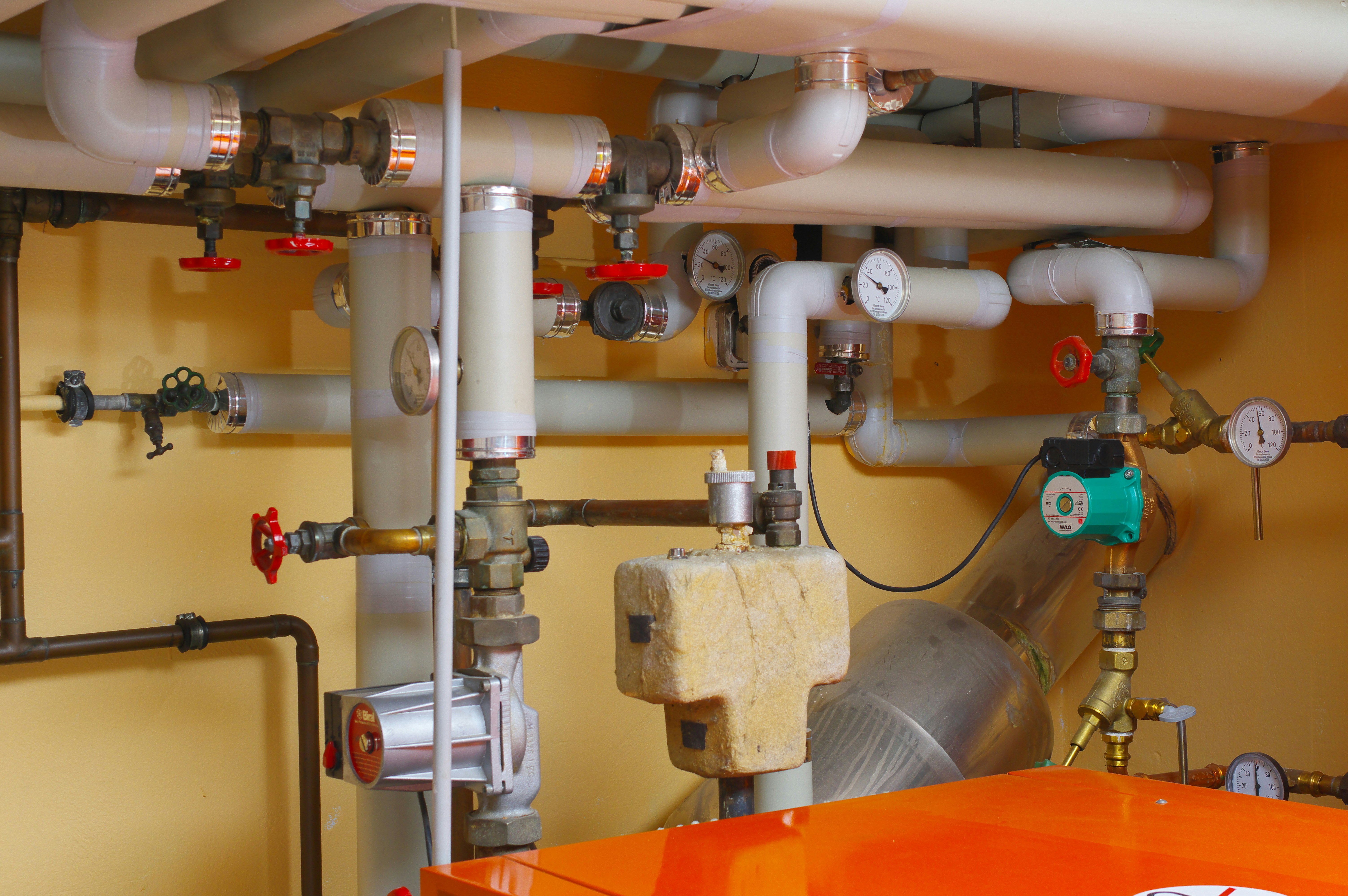
Maintenance Tips
When Should You Replace Old Plumbing Pipes?
Old or damaged pipes can reduce water pressure and increase leak risks throughout your property.